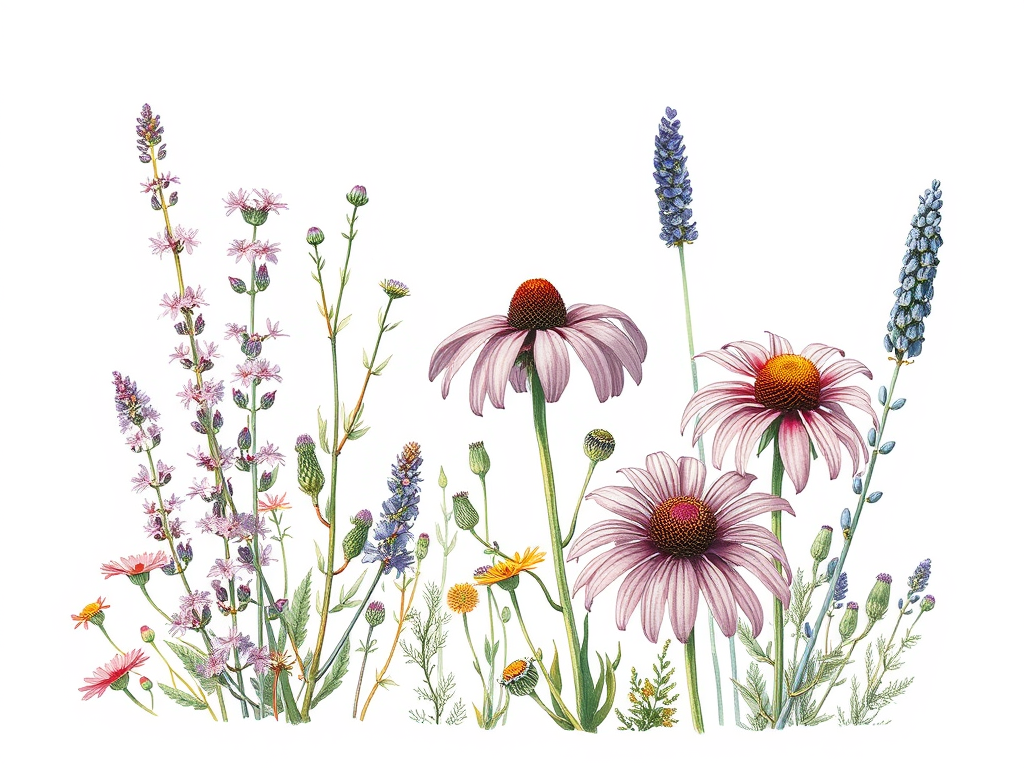
Xeriscaping in Rocky Mountain Climates: A Sustainable Landscaping Solution
Xeriscaping—a water-wise landscaping method—has become increasingly popular in the Rocky Mountain region, where arid conditions, high elevations, and unpredictable weather patterns present unique challenges for traditional gardens. Rooted in sustainability, xeriscaping minimizes water use while promoting native plant life and environmental resilience.
The Rocky Mountains span a diverse range of microclimates, from alpine meadows to high-desert plateaus, but one constant is water scarcity. Xeriscaping addresses this by emphasizing drought-tolerant native plants such as blue grama grass, rabbitbrush, penstemon, and yarrow, which naturally thrive with minimal irrigation.
Effective xeriscaping goes beyond plant selection. Soil improvement, efficient drip irrigation, mulching, and thoughtful design principles—like grouping plants by water needs and reducing turf areas—are all critical components. These practices not only conserve water but also reduce maintenance and pesticide use.
Homeowners and municipalities across Colorado, Utah, Wyoming, and Montana are adopting xeriscaping not just for conservation, but for aesthetics and long-term cost savings. With rising temperatures and growing demand on water resources, xeriscaping offers a smart, regionally adapted approach to landscaping that aligns beauty with environmental responsibility.
Supporting Pollinators and the Ecosystem
Xeriscaping in the Rocky Mountain region isn’t just about saving water—it’s also about restoring balance to the local ecosystem. By incorporating native plants, gardeners can create sustainable landscapes that support pollinators, stabilize soil, and thrive in the region’s challenging climate. Here are some of the top native plants that make exceptional choices for Rocky Mountain xeriscaping—and why they matter.
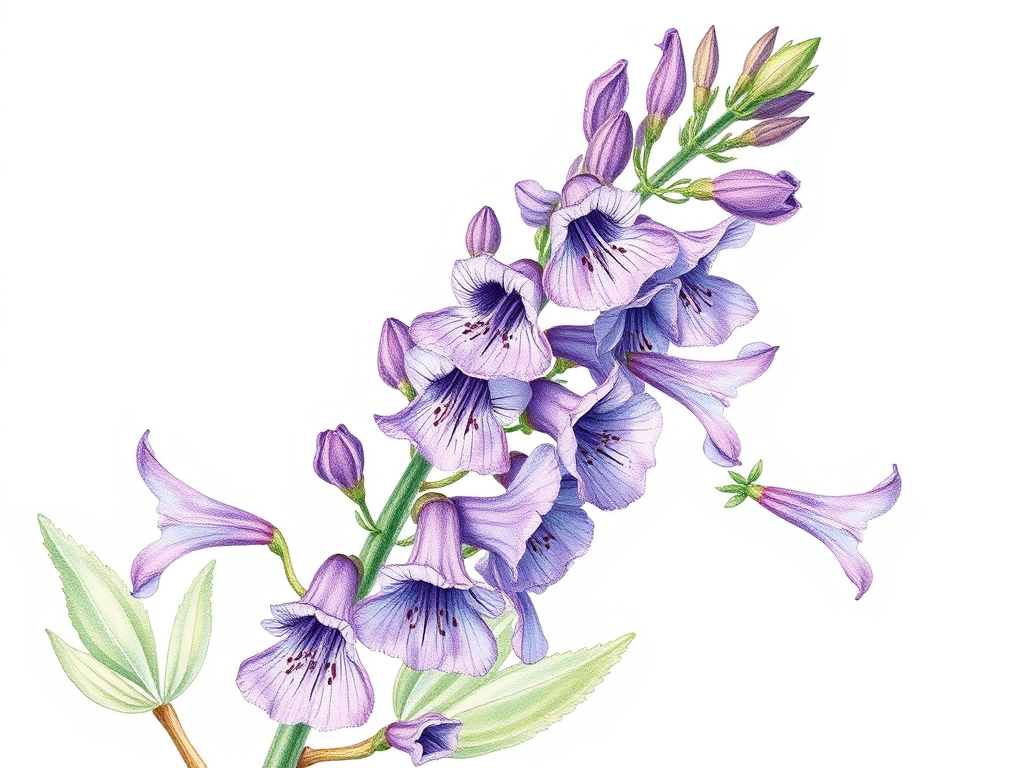
Rocky Mountain Penstemon (Penstemon strictus)
With its tall spikes of deep blue to violet flowers, Rocky Mountain penstemon adds vibrant color and vertical interest to any xeriscape. It’s a magnet for native bees and hummingbirds, offering nectar during early summer when few other plants bloom. Its deep roots make it drought-tolerant and effective at preventing soil erosion.
Blanketflower (Gaillardia aristata)
This hardy perennial thrives in dry, poor soils and blooms from early summer into fall. Its fiery red-and-yellow daisy-like flowers attract bees, butterflies, and other pollinators. Blanketflower’s long blooming period provides an extended food source, and its seeds feed native birds in the fall.
Showy Milkweed (Asclepias speciosa)
A vital plant for monarch butterflies, showy milkweed is both beautiful and ecologically essential. Its large, pinkish flower clusters provide nectar to a variety of insects, while its leaves serve as the sole food source for monarch caterpillars. It’s well adapted to dry, open spaces typical of the region.
Blue Grama Grass (Bouteloua gracilis)
As one of Colorado’s state grasses, blue grama offers more than ornamental value. Its fine texture, striking seed heads, and exceptional drought resistance make it a xeriscaping staple. It also provides habitat and food for native insects and ground-nesting birds, while helping anchor soils against wind and runoff.
Prairie Sage (Artemisia ludoviciana)
Known for its silvery foliage and spicy aroma, prairie sage is excellent for adding contrast and texture. It thrives in poor, dry soils and requires virtually no maintenance. Its fragrant leaves can deter some pests, and it supports native pollinators by offering shelter and habitat structure.
Bee Balm (Monarda fistulosa)
This mint-family perennial bursts with lavender-pink flowers that draw in bees, butterflies, and hummingbirds. Its aromatic leaves and showy blooms make it a favorite in pollinator gardens. Bee balm is also known for its resistance to drought once established and its ability to naturalize in wild areas.
Rabbitbrush (Ericameria nauseosa)
Often overlooked, rabbitbrush is a late-blooming shrub that provides critical nectar in the fall when other flowers have faded. It supports bees, butterflies, and beetles while thriving in dry, alkaline soils. Its dense root system helps restore disturbed land and control erosion.
Native plants are the foundation of a healthy xeriscape. They’ve evolved to survive in the Rocky Mountain region’s thin soils, high UV exposure, and variable precipitation. By planting them, homeowners reduce the need for irrigation, fertilizers, and pesticides—all while creating vital habitat for native wildlife.
Moreover, native pollinators are often specialized to feed on local flora. When we plant non-native species, we disrupt these relationships. By choosing native species, gardeners help preserve biodiversity, improve soil health, and contribute to the larger ecological web.
Xeriscaping with native Rocky Mountain plants goes beyond water savings—it’s an act of environmental restoration. These tough, beautiful plants not only survive the elements but also nurture the bees, butterflies, and birds that keep ecosystems alive. In a region facing both climate and water challenges, native xeriscapes offer a hopeful, thriving solution.
 The Rocky Mountain Gardener