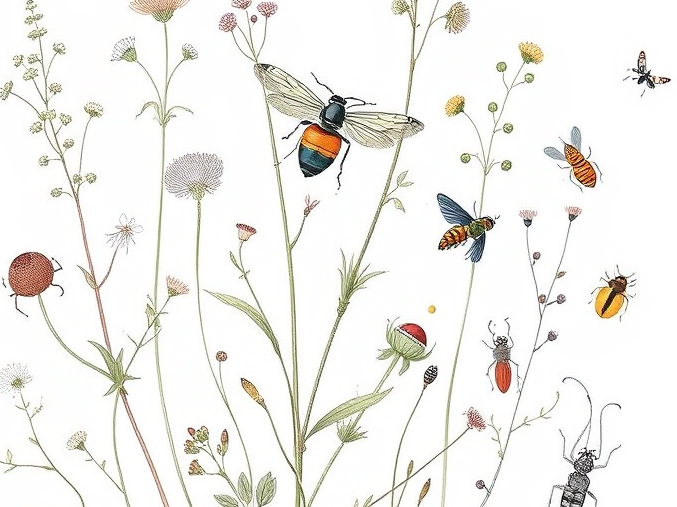
Weeds, Bugs & Animals
Sustainable Pest, Weed, and Wildlife Management in Rocky Mountain Gardens
The Rocky Mountain region’s varied elevations, dry climate, and short growing season make sustainable pest and weed management essential for healthy, resilient gardens. Whether you’re gardening at 5,000 or 8,000 feet, here’s how to manage weeds, bugs, and animals sustainably while supporting native biodiversity and soil health. Sustainable gardening in the Rocky Mountain region requires a mix of observation, prevention, and ecological balance. Rather than eradicating every pest or weed, the goal is to foster a thriving garden ecosystem where plants, pollinators, and people coexist. With the right practices, you’ll protect both your garden and the wild beauty that makes the Rockies so special.
Weed Management
Weeds compete with garden plants for water, nutrients, and light. However, many chemical herbicides are harmful to pollinators and water quality. Instead, sustainable methods focus on prevention and mechanical or natural removal.
Sustainable Strategies:
- Mulching: Organic mulch (straw, bark, wood chips) retains soil moisture and suppresses weed germination. Avoid black plastic, which can overheat soil at high elevations.
- Hand Pulling & Hoeing: Particularly effective if done early in the season before weeds go to seed. Moist soil after rain or irrigation makes pulling easier.
- Smothering: Use cardboard or layers of newspaper under mulch to block persistent weeds like bindweed.
- Cover Crops: Plant cover crops like clover or buckwheat in fallow areas to outcompete weeds and improve soil structure.
Managing Bugs & Insects
Insects are a mixed blessing in the garden—many are beneficial, pollinating crops and preying on pests. Sustainable pest control balances eliminating harmful bugs while protecting helpful species.
Common Pests in the Rockies
Aphids
- Tiny, soft-bodied insects that suck plant sap, causing curled or yellowed leaves.
- Common on roses, tomatoes, peppers, and brassicas.
Cabbage Loopers / Cabbage Worms
- Green caterpillars that eat holes in leaves of broccoli, cabbage, kale, and cauliflower.
- Leave behind green droppings.
Colorado Potato Beetles
- Yellow-and-black-striped beetles that target potatoes, eggplants, and tomatoes.
- Both adults and larvae are voracious feeders.
Flea Beetles
- Tiny, black or bronze beetles that jump like fleas.
- Chew small round holes in leaves of radishes, eggplants, and mustard greens.
Cutworms
- Nocturnal caterpillars that chew through young plant stems at soil level.
- Commonly affect tomatoes, peppers, and sunflowers.
Spider Mites
- Microscopic pests that create fine webbing under leaves.
- Thrive in hot, dry weather, especially on beans, tomatoes, and cucumbers.
Grasshoppers
- Very destructive in dry years; they feed on leaves, flowers, and even bark.
- Active in late summer and can defoliate entire gardens.
Squash Bugs
- Suck sap from squash and pumpkin plants, causing wilting and yellowing.
- Lay copper-colored eggs in clusters on the undersides of leaves.
Earwigs
- Scavengers that feed on decaying matter, but can also eat soft fruit and young plants.
- Hide in dark, moist areas.
Leaf Miners
- Larvae that tunnel inside leaves, leaving visible squiggly trails.
- Common in spinach, beets, and chard.
Thrips
- Tiny, slender insects that scrape plant tissue and suck out juices
- Cause silvering or stippling on leaves and deform flowers.
Whiteflies
- Small white insects that fly up when disturbed.
- Found on the undersides of leaves, causing yellowing and stunting.
Sustainable Strategies:
- Companion Planting: Interplanting with aromatic herbs like dill, basil, or marigolds deters pests. Nasturtiums can attract aphids away from vegetables.
- Handpicking: For beetles and caterpillars, regular inspection and removal is effective, especially for small-scale gardens.
- Row Covers: Floating row covers can protect young plants from insect damage without the need for pesticides.
- Neem Oil or Insecticidal Soap: These organic treatments are less harmful to pollinators if used early or late in the day.
- Encourage Beneficial Insects: Attract ladybugs, lacewings, and parasitic wasps with plants like yarrow, dill, fennel, and native wildflowers.
Deterring Garden Animals
Rocky Mountain gardeners often deal with deer, rabbits, squirrels, voles, and even bears. Fencing and habitat modification are key components of sustainable animal management.
Common Culprits:
- Deer browsing shrubs and vegetables.
- Rabbits and voles chewing tender plants and roots.
- Ground squirrels and chipmunks digging and eating fruits.
- Bears targeting compost and fruit trees in early spring or late summer.
Sustainable Strategies:
- Fencing: A 6–8 ft fence can deter deer; smaller mesh around the base will exclude rabbits and voles. Bury fencing 6–12 inches deep to stop digging animals.
- Plant Selection: Use deer- and rabbit-resistant plants like lavender, echinacea, Russian sage, and yarrow.
- Repellents: Homemade or commercial sprays made with garlic, chili, or eggs may deter mammals—reapply after rain.
- Physical Barriers: Use mesh cages around young plants or tree trunks to prevent gnawing.
- Clean Garden Practices: Keep compost secured and fallen fruit cleaned up to reduce bear and rodent attraction.
Building Resilient Ecosystems
A healthy garden ecosystem is the best defense against pests and weeds. The more biodiverse your garden, the better it can resist and recover from infestations.
Tips for Building Garden Resilience
- Use native plants adapted to local soil, climate, and wildlife.
- Rotate crops annually to prevent pest buildup.
- Water deeply and infrequently to encourage deep roots and reduce weed vigor.
- Maintain healthy soil with compost and organic matter to boost plant immunity
Sustainable gardening in the Rocky Mountain region requires a mix of observation, prevention, and ecological balance. Rather than eradicating every pest or weed, the goal is to foster a thriving garden ecosystem where plants, pollinators, and people coexist. With the right practices, you’ll protect both your garden and the wild beauty that makes the Rockies so special.
 The Rocky Mountain Gardener