Growing Herbs & Medicinal Plants
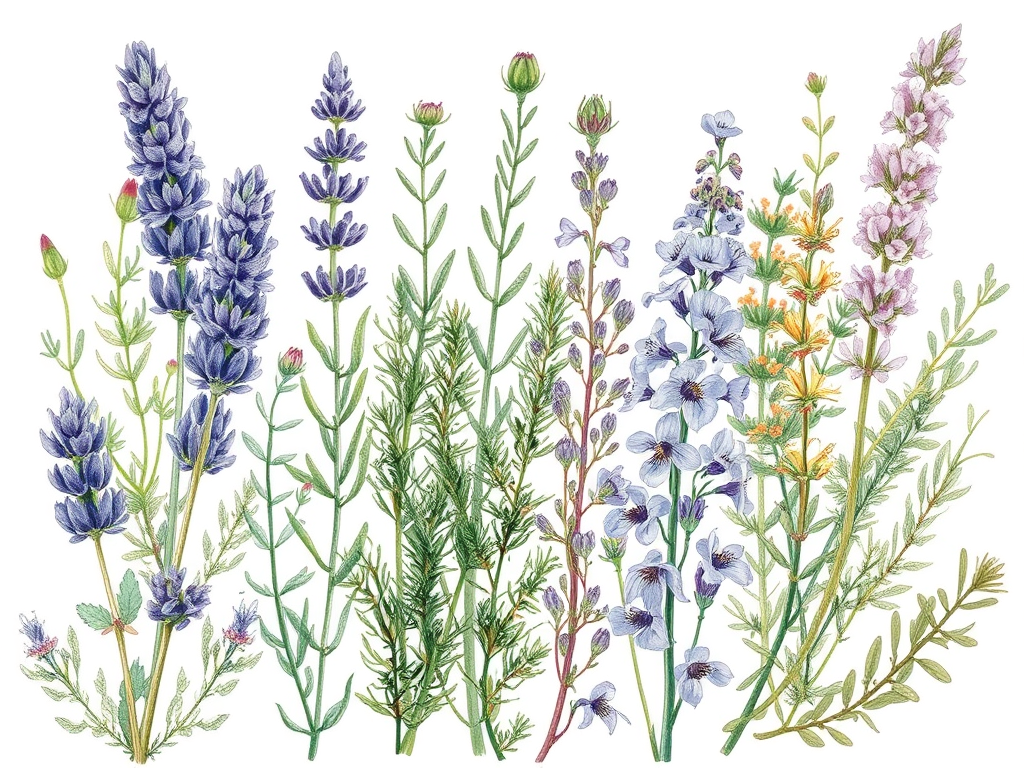
Herbs are great starter plants for beginner gardeners and will provide long-lasting food sources and add flavor to all your favorite dishes. Herbs are some of my favorite plants to grow because most of them are incredibly resilient (even at high altitudes) and many are self-seeding and/or perennial. Many herbs need little to no extra water, maintenance, or extra effort for an abundant crop. Parsley readily self-seeds, as do oregano and lemon balm, and before you know it, you’ll have enough herbs to start your own herb stand at the local farmer’s market. Most lavender, sage, and thyme plants, once established, will thrive in almost any soil and come back year after year. Growing herbs in the garden offers fresh, flavorful ingredients at your fingertips, enhances meals naturally, and saves money over store-bought options. Many herbs attract pollinators and repel pests, supporting a healthy garden ecosystem. They’re also easy to grow, require little space, and often have medicinal or soothing properties, making them both practical and rewarding.

Lemon Balm
Growing lemon balm at higher altitudes presents both challenges and rewards, thanks to the area’s high elevation, cool nights, and intense sun. This hardy perennial herb thrives when planted in well-draining soil enriched with organic matter, preferably in a sheltered spot that gets morning sun and partial afternoon shade to protect it from the harsh midday rays. Mulching helps retain moisture and insulate roots against fluctuating temperatures, particularly during the region’s unpredictable springs and early frosts. With regular watering and occasional pruning to prevent flowering, lemon balm can establish itself as a fragrant, bee-attracting staple in mountain gardens, offering both culinary and medicinal uses throughout the growing season. Lemon balm is known for its calming properties and is often used to reduce stress, anxiety, and promote better sleep. It can also help soothe digestive issues like bloating and indigestion. Some studies suggest it may support cognitive function and ease symptoms of mild depression. Additionally, its antiviral properties make it useful in treating cold sores when applied topically.
Oregano
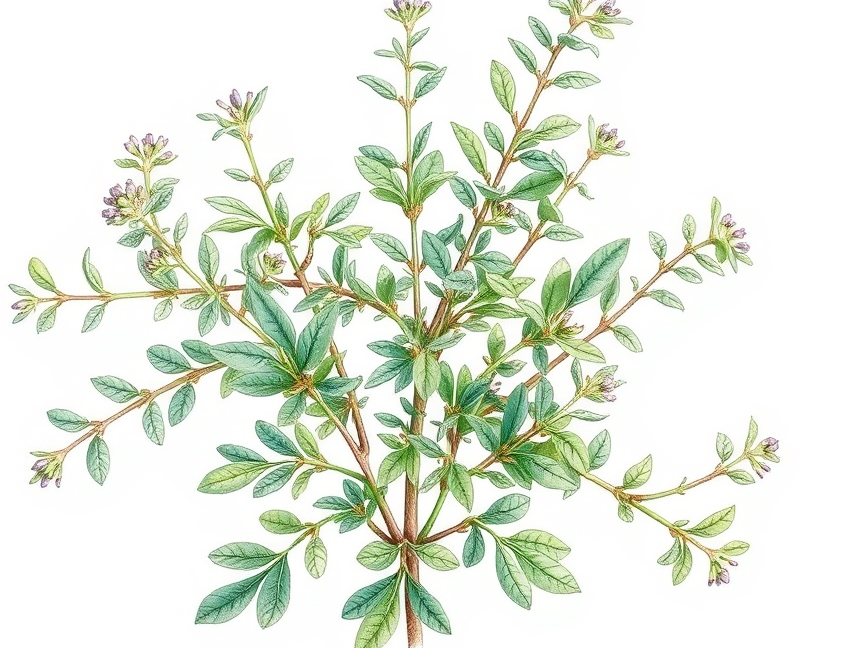
Growing oregano in the Rocky Mountains can be both rewarding and surprisingly easy, thanks to the herb’s resilience and love of sun. Oregano thrives in the region’s well-draining, often rocky soils and benefits from the high-altitude sun exposure. Choose a location with full sunlight and ensure the soil isn’t too rich—oregano prefers lean conditions, which help concentrate its essential oils and deepen its flavor. It’s drought-tolerant once established, making it a low-maintenance choice for mountain gardeners. To prevent root rot in areas with spring snowmelt or summer storms, consider raised beds or sloped planting. With minimal care, oregano will return year after year, offering a fragrant, culinary staple and a pollinator-friendly addition to any Rocky Mountain herb garden. Oregano has several medicinal benefits, thanks to its strong antioxidant and antimicrobial properties. It’s often used to support respiratory health, fight infections, and ease symptoms of colds and coughs. Oregano oil, in particular, is known for its antibacterial and antifungal effects. Additionally, oregano may aid digestion and help reduce inflammation in the body.
Thyme
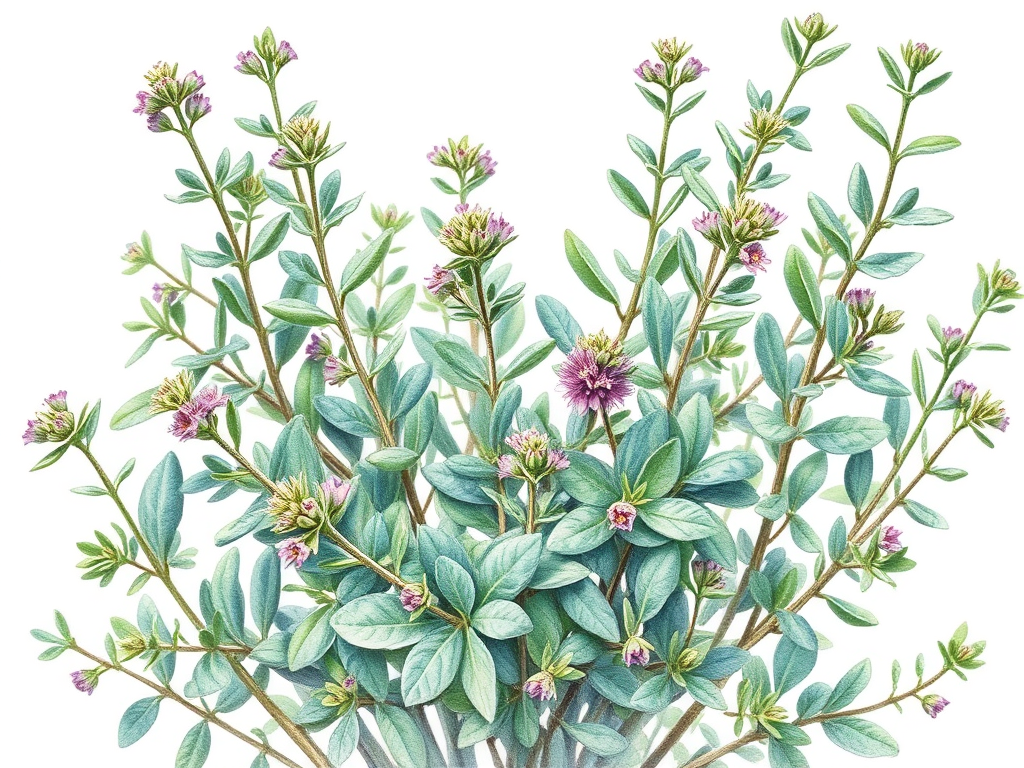
Growing thyme in the Rocky Mountain region is a natural fit, as this hardy herb thrives in the region’s dry climate, high elevation, and rocky, well-drained soils. Thyme prefers full sun and doesn’t need rich soil, making it perfect for low-maintenance herb gardens or even rock gardens. It’s drought-tolerant once established and benefits from occasional pruning to encourage bushy growth and prevent woodiness. Mulching with gravel or sand helps maintain drainage and mimics thyme’s native Mediterranean habitat. In colder zones, some varieties may need winter protection, but most will return each spring, bringing their earthy aroma and pollinator-friendly flowers to mountain gardens year after year. Thyme is a powerful medicinal herb known for its antimicrobial, antifungal, and antioxidant properties. Traditionally used to treat respiratory issues, thyme can help relieve coughs, sore throats, and congestion thanks to compounds like thymol. It also supports digestion by reducing gas and bloating, and its natural antiseptic qualities make it useful in wound care and oral health. With its broad spectrum of benefits, thyme is a small herb with significant healing potential.
Rosemary
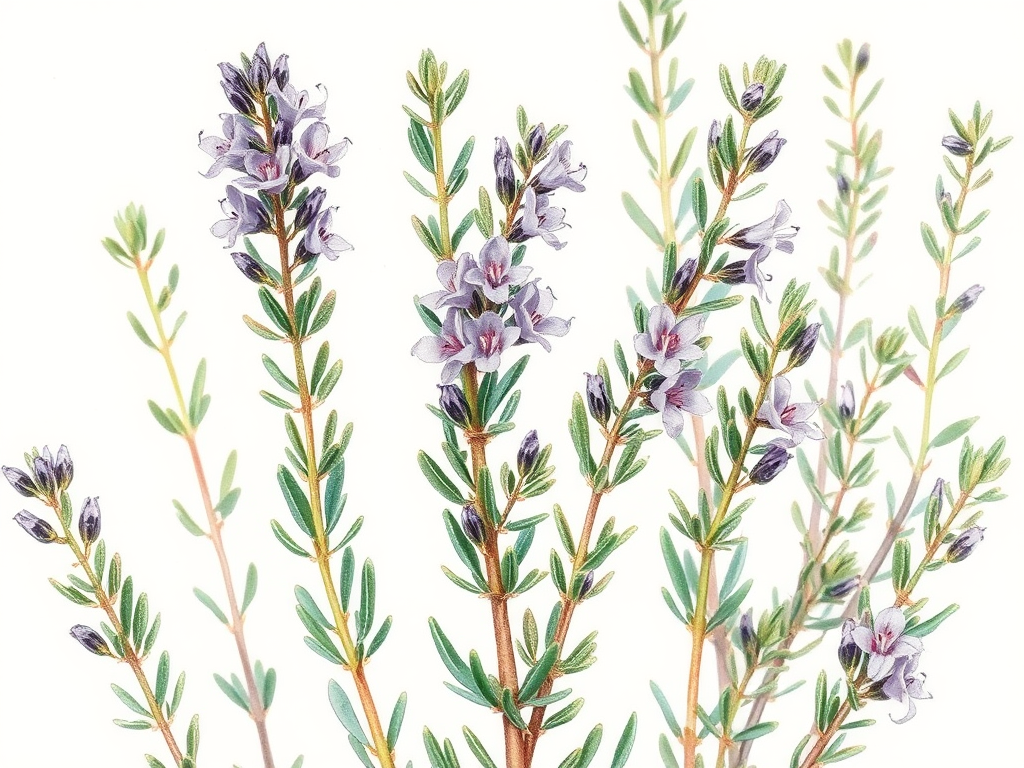
Originally a Mediterranean native plant, rosemary will grow well in the Rocky Mountain’s dry hot summer but can be difficult to grow perennially in Rocky Mountain zones 3-6, so it’s best to have it in a pot and bring it inside during the winter months as it will struggle to survive the cold winters. Some people have had success keeping their rosemary outside by overwintering them, but it can be a hit or miss process. Growing rosemary in the Rocky Mountain region requires a bit of extra care due to the area’s cold winters and fluctuating temperatures. While rosemary loves the intense sun and well-draining soils common in the region, it isn’t naturally cold-hardy, so gardeners often grow it in containers that can be brought indoors during freezing weather. In the ground, it does best in a sheltered, south-facing location with protection from winter winds. Mulching around the base can help insulate roots, and careful watering—allowing soil to dry slightly between waterings—prevents root rot. With the right conditions, rosemary can thrive and provide a fragrant, evergreen presence in the mountain garden. Rosemary has long been valued for its medicinal properties, particularly its ability to support memory, focus, and overall brain function. Rich in antioxidants and anti-inflammatory compounds, it may help protect the body against oxidative stress and chronic disease. Rosemary is also known to aid digestion, soothe headaches, and improve circulation. Its natural antimicrobial qualities make it useful for boosting immunity and promoting scalp and hair health when used topically.
Peppermint/Spearmint
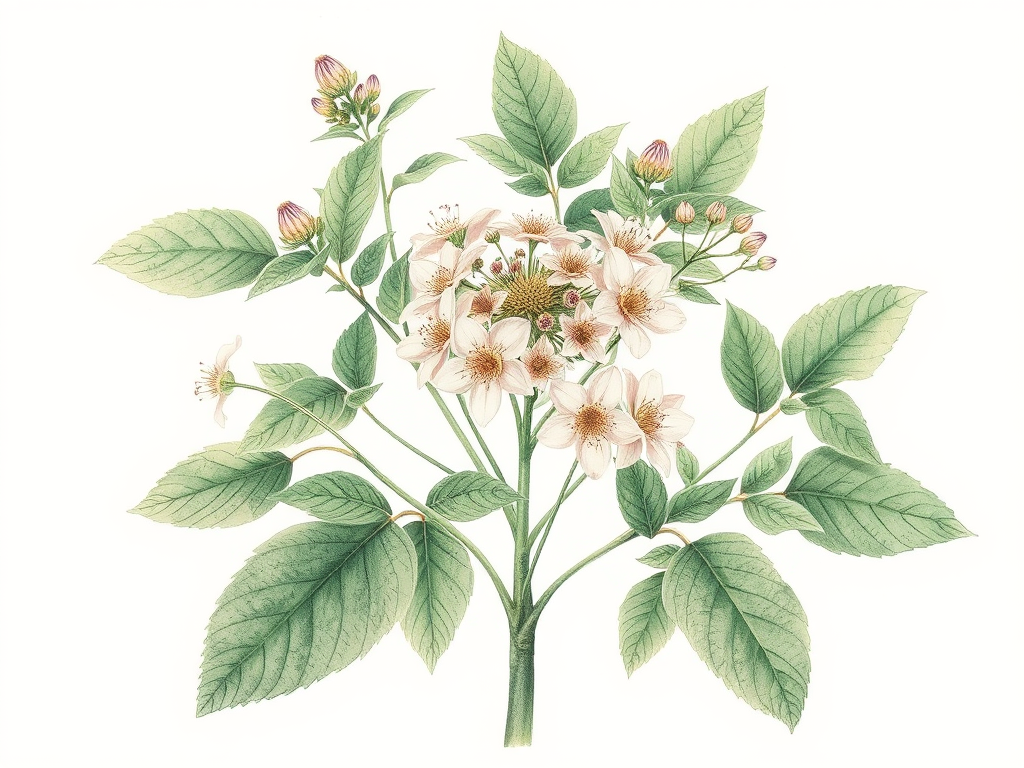
Growing mint in the Rocky Mountain region is both simple and satisfying, thanks to the herb’s hardy nature and adaptability to cooler climates. Mint thrives in rich, moist soil and partial to full sun, making it well-suited to mountain gardens with afternoon shade and consistent watering. However, because it spreads aggressively through underground runners, it’s best grown in containers or confined beds to prevent it from overtaking other plants. Regular pruning helps control growth and keeps the plant bushy and flavorful. With minimal care, mint will return each spring, offering refreshing leaves for teas, culinary use, and natural remedies all season long. Mint is widely valued for its soothing medicinal properties, particularly its ability to calm the digestive system and ease nausea, gas, and indigestion. Its natural menthol content also helps clear congestion and relieve headaches and muscle tension. Mint’s cooling, anti-inflammatory effects make it useful both internally and topically, while its antimicrobial properties support oral health and freshen breath. This versatile herb is a gentle yet effective remedy in any natural medicine cabinet. This herb is a wonderfully hardy perennial and extremely reliable. Much like oregano and lemon balm, mint will readily grow back, reseed, and quickly take over your garden (and lawn!) unless you contain it in some way. You can grow it either in a pot or raised bed (with borders or edging to contain it). Regardless, mint is a must-have plant in harder to grow regions as it’s the herb that keeps on giving! When you cut it back, it grows right back and it won’t freeze until temperatures drop below 20-25 F so you can have fresh mint well into November. Animals dislike the scent of mint and it can be toxic to some animals – something to keep in mind. The rabbits probably won’t touch it because they know better so you don’t have to worry about poisoning the squirrels or other critters and it can also serve as an effective deterrent of unwanted pests.
Lovage
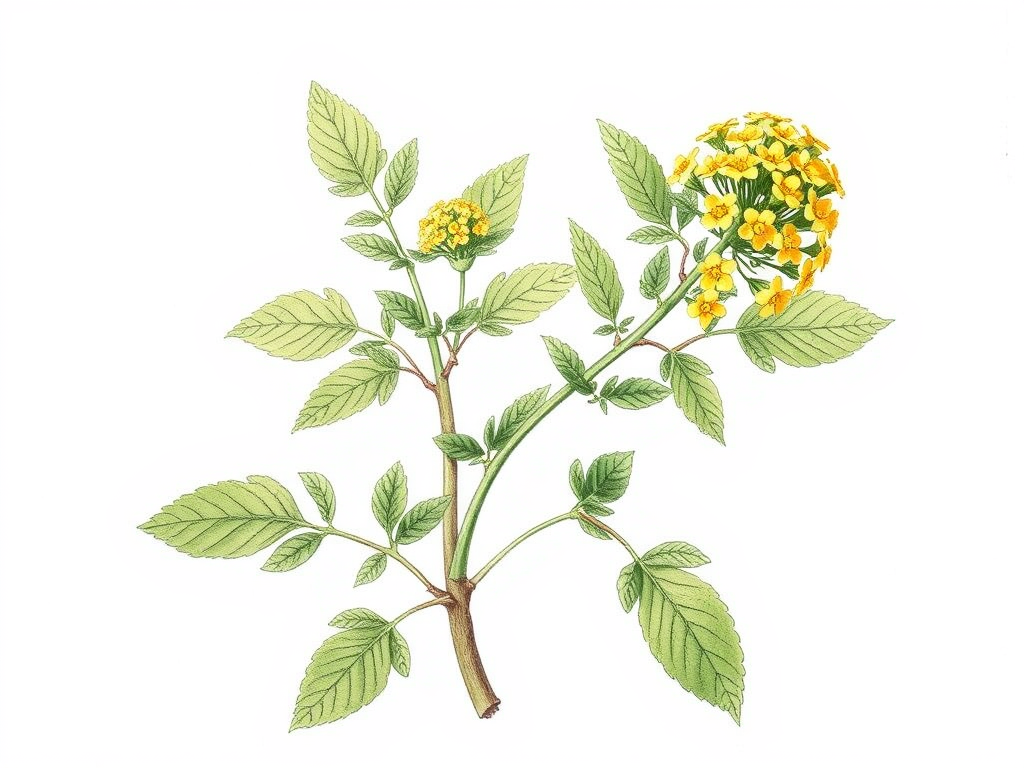
Lovage (Levisticum officinale) is a robust, perennial herb that thrives in cooler climates and is especially well-suited to high-altitude or temperate gardens like those in the Rocky Mountains. Often overlooked, lovage grows into a tall, celery-like plant with deeply cut leaves and a bold, savory flavor that blends notes of celery, parsley, and anise—making it a flavorful addition to soups, stews, and stocks. It prefers rich, well-drained soil and partial to full sun, though it can tolerate light shade and is notably cold-hardy, often surviving harsh winters with minimal protection. Once established, lovage requires little maintenance and can grow up to six feet tall, so it works well as a culinary perennial or even as a background ornamental. Its hollow stems can even be used as eco-friendly straws, and pollinators love its umbrella-like yellow flowers. As a perennial that returns stronger each year, lovage is a rewarding, resilient herb for gardeners who appreciate both utility and ease. Lovage grows exceptionally well in mountainous regions. Native to cool climates in Europe and Asia, lovage is naturally adapted to the cooler temperatures, shorter growing seasons, and well-draining soils often found in mountain environments like the Rockies or the Appalachians. It tolerates cold winters with ease—hardy to USDA Zone 3—and comes back reliably each spring, often bigger and stronger than the year before. In the thin mountain air and intense sun, lovage thrives when given moderate moisture and rich, compost-amended soil. Its deep taproot helps it access water in drier conditions, and its tall growth (up to six feet) makes it a standout even in small alpine gardens. Because of its resilience, cold tolerance, and minimal pest pressure, lovage is an ideal perennial herb for mountainous regions where other tender herbs might struggle.
Lavender
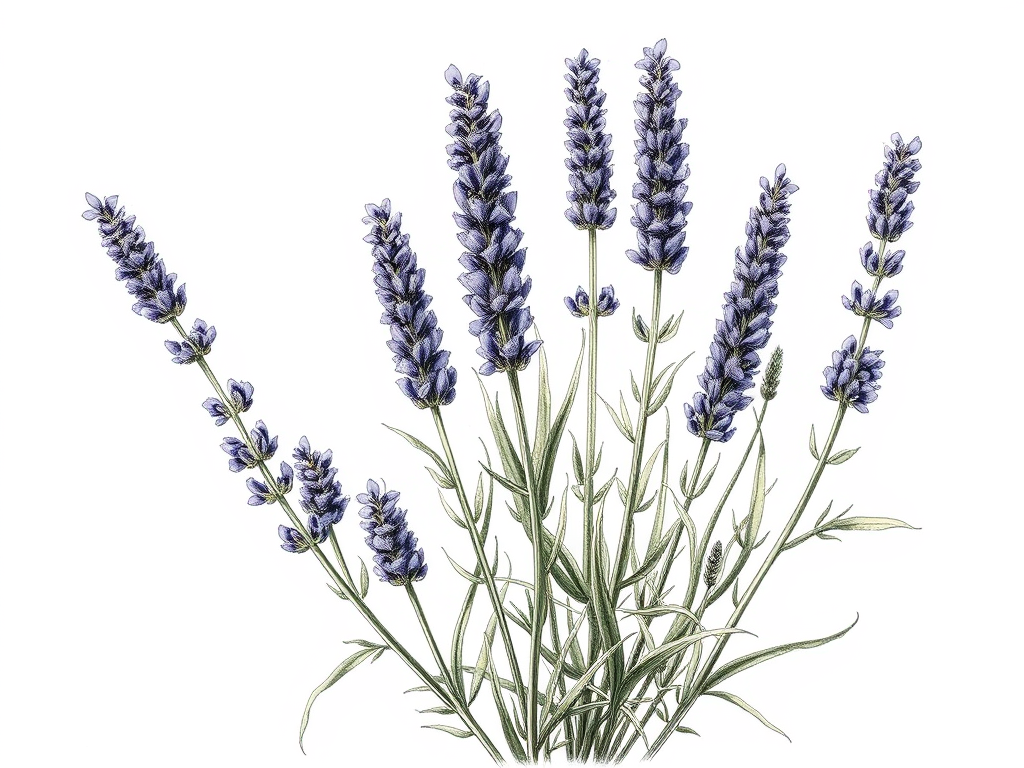
Lavender is a hardy, sun-loving perennial that not only brings beauty and fragrance to the garden but also offers a rich history of medicinal use. Thriving in dry, rocky soils and full sun, lavender is particularly well-suited to mountainous and arid regions where drainage is excellent and rainfall is limited—conditions that mirror its native Mediterranean habitat. Once established, it requires little water and is remarkably resilient to both pests and deer. Beyond its ornamental value, lavender has long been prized for its calming properties; its essential oils contain compounds like linalool and linalyl acetate, which have been shown to reduce anxiety, promote restful sleep, and ease tension headaches. Dried lavender flowers can be used in teas, sachets, or salves, making it a multipurpose plant that supports both garden health and personal wellness. Growing lavender means cultivating not just a plant, but a small, aromatic pharmacy right outside your door.
Dill
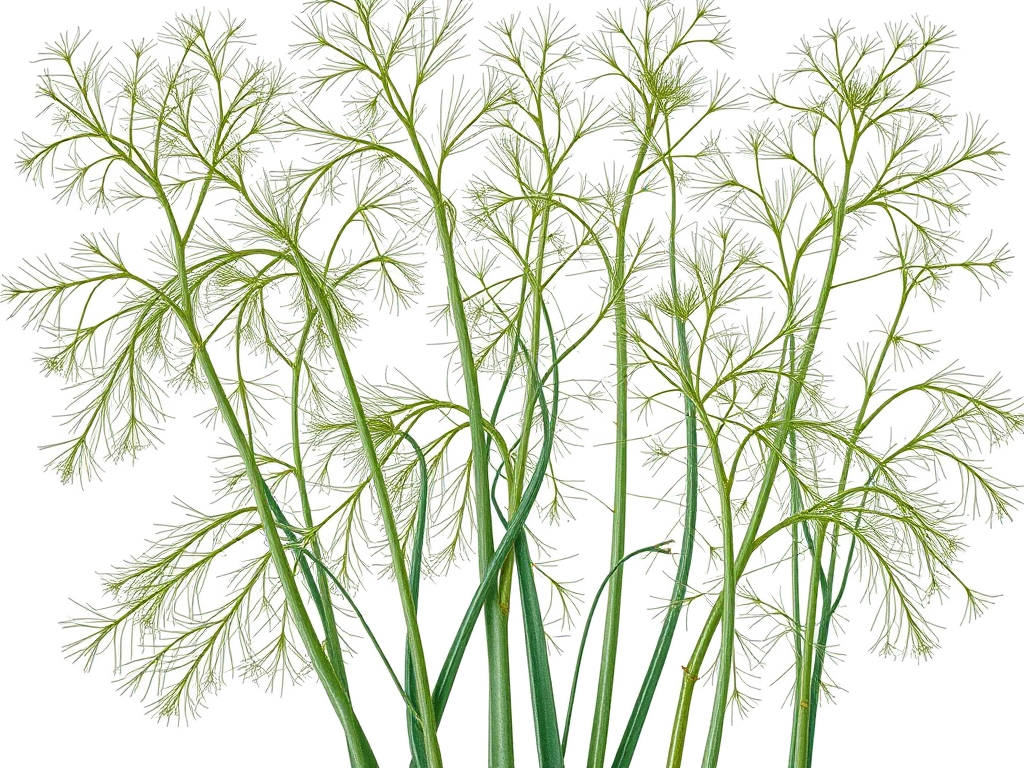
Dill (Anethum graveolens) is an easy-to-grow annual herb that thrives in full sun and well-drained, moderately rich soil, making it a favorite for both beginner and experienced gardeners. Its feathery, blue-green foliage and delicate yellow umbels not only add visual appeal but also attract beneficial insects like ladybugs and predatory wasps, helping to control garden pests naturally. Dill prefers cooler weather and is best sown directly into the garden in early spring or late summer, as it doesn’t transplant well due to its long taproot. Regular harvesting of the leaves can delay bolting, though the flowers and seeds are just as useful—popular in pickling and as a spice. Beyond the kitchen, dill has traditional uses in soothing digestion and easing colic, making it both a culinary and medicinal herb. Its ability to reseed itself easily means that, once planted, dill often returns year after year with minimal effort. Dill has been used for centuries for its gentle medicinal properties, particularly in supporting digestive health. Its seeds and leaves contain essential oils like carvone and limonene, which have antispasmodic and carminative effects—meaning they help relax the digestive tract and reduce gas and bloating. Traditionally, dill tea has been given to ease colic in infants, calm upset stomachs, and even freshen breath. Its mild sedative qualities may also help promote relaxation and sleep, making it a useful herb for both culinary and wellness purposes.

Parsley
Parsley (Petroselinum crispum) is a biennial herb often grown as an annual, prized for both its fresh, vibrant flavor and its rich nutritional and medicinal benefits. It thrives in full sun to partial shade and prefers moist, well-drained soil with plenty of organic matter. Parsley can be slow to germinate—taking up to three weeks—so soaking the seeds overnight before planting can improve success. Once established, it’s a low-maintenance plant that tolerates cooler weather and can even overwinter in milder mountain regions. It also reseeds readily, and a few plants will turn into a sustainable and dependable crop over time. Medicinally, parsley is packed with vitamin C, iron, and flavonoids like apigenin, which have anti-inflammatory and antioxidant properties. Traditionally, it’s been used as a natural diuretic, helping to reduce water retention and support kidney function. Chewing fresh parsley can also help freshen breath and aid digestion after meals. Whether grown for garnish, seasoning, or health, parsley is a versatile and beneficial addition to any herb garden.
Borage
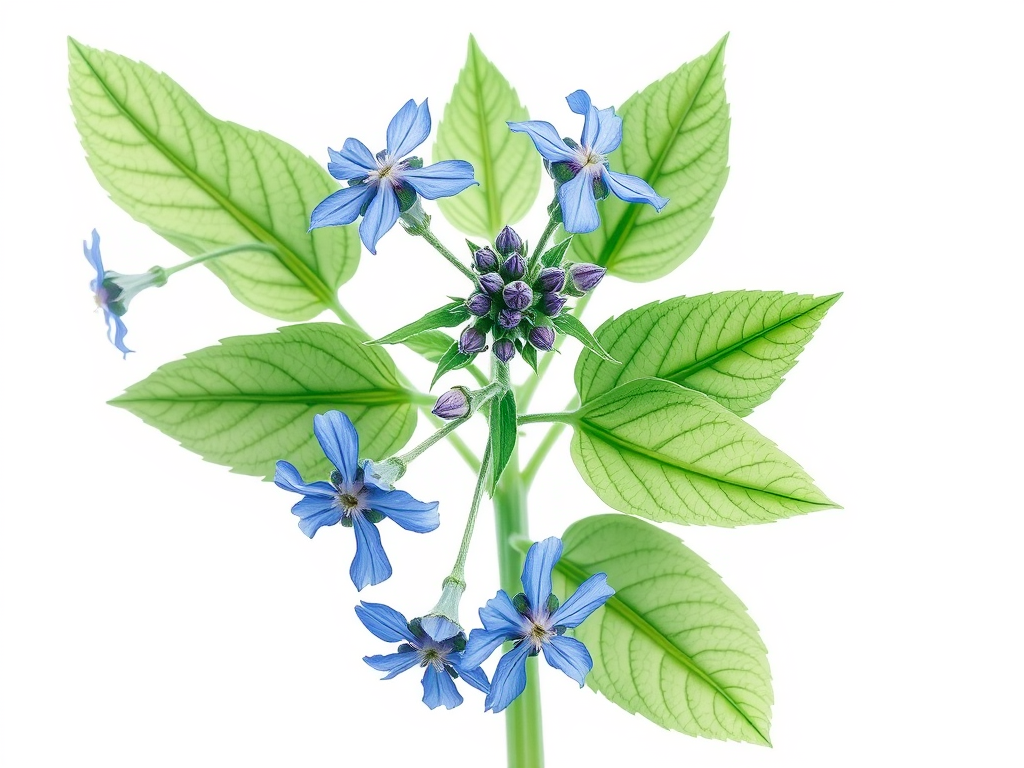
Borage (Borago officinalis) is a hardy, self-seeding annual that grows surprisingly well in the challenging conditions of the Rocky Mountains, thanks to its tolerance for poor soils, high altitudes, and intense sun. Once established, borage is drought-tolerant and thrives in well-drained soil with minimal care, making it a great addition to mountain herb gardens. Its striking blue, star-shaped flowers not only attract pollinators like bees and hummingbirds but also serve as edible garnishes rich in trace minerals. Medicinally, borage has a long history of use for its anti-inflammatory and adrenal-supporting properties. The leaves and flowers contain compounds like gamma-linolenic acid (GLA), which may help regulate hormone levels, ease skin conditions, and support heart health. Traditionally, borage tea has been used as a mild sedative and to lift mood—hence its old nickname, “herb of gladness.”
 The Rocky Mountain Gardener