


Garden Planning
A productive and balanced garden requires planning. There’s no need to be so tedious that all the fun is taken out of it. Nature is amazing. It knows what to do well on its own, but some careful planning will go a long way. This is particularly true for areas in the Rocky Mountain region that have colder winters, shorter growing seasons, drier and clay like soils that don’t retain heat very well and have poor drainage. Nevertheless, it is always surprising how resilient and beautiful both annual and perennial gardens can be 5,000+ feet above sea level.
What zone are you in?
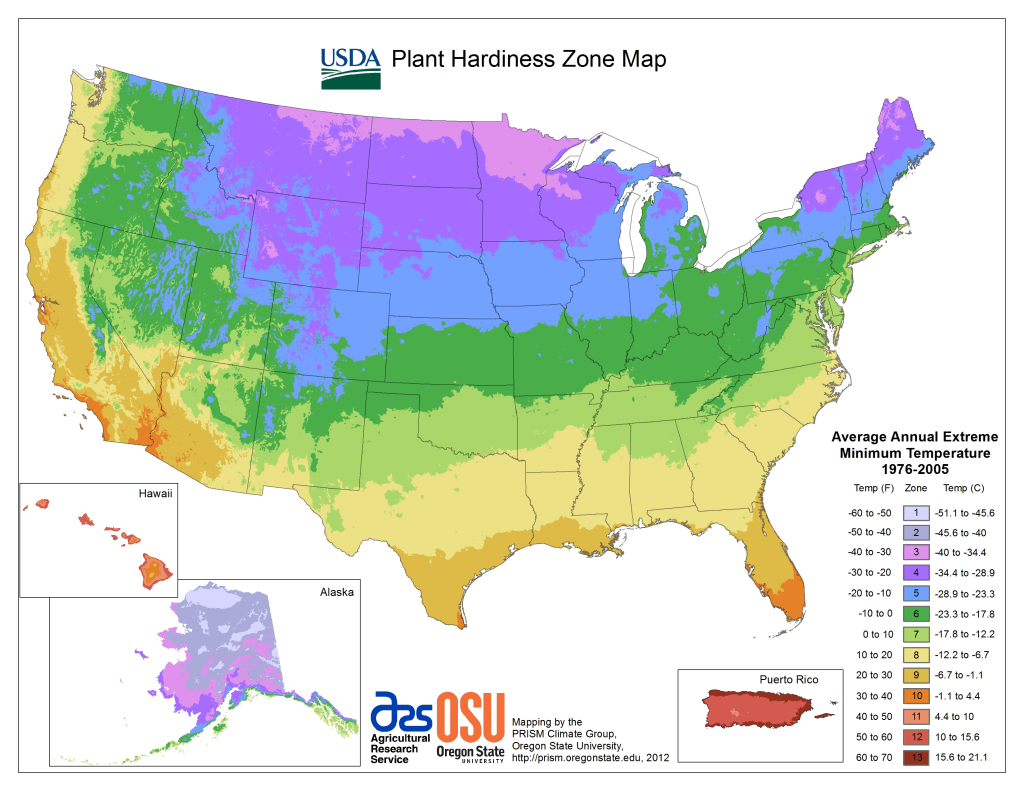
Looking at the map above, you can see that most of the upper Rocky Mountains are in zones 3-6, so you will want to be sure to choose your perennial plants carefully so that they match your region. The good news is that most local garden centers will already cater to your region so when plants are labeled ‘perennial,’ there is a good chance they will do well in your garden given the proper care.
For more detailed and interactive maps, visit: https://planthardiness.ars.usda.gov/
First thing’s first – it’s important to understand the climate of your region before you get started with your garden. Choosing the right plants for your area is paramount to successful gardening and planting perennials suitable your area will give you consistent year after year color.
These are some of the challenges of growing food at higher (and often drier) altitude:
- Shorter growing season for warm weather plants – this makes it particularly important to time vegetable planting carefully, especially plants that take longer to mature
- Unpredictable weather – dramatic temperature changes and sometimes even snow in the summer depending on your altitude.
- Drier weather, generally speaking. Long periods of dry weather that will require careful hand watering so that plants survive. That means watering once in a while even in the winter to make sure dormant roots of perennial plants and fruit trees survive a dry winter. There are, of course, many trees well adapted to the climate in these regions.
Much of your gardening success will depend on a few main components:
- Timing: Planting your seeds at the right time. Some plants will require you to start seeds indoors even months in advance. Others will happily grow from seed directly sewn in the ground as long as they are planted at the right time.
- Sunlight: Most plants need a fair amount of sun. When starting your beds, make sure you take into account that most vegetables will need 6-8 hours of sunlight everyday. Some plants, like cucumbers, like a little shade, but the shade can be created by planting corn alongside.
- Soil: The type of soil you have will make a difference in how your plants grow – and while you can generally rely on bringing in some nice compost, some soils need more serious amending in order to effectively grow vegetables.
- Water: Watering thoroughly and regularly is essential to a successful garden in the semi-arid West. Some years we’ll get drenched with rain (a plant’s favorite source of water!) and you won’t have to worry about it too much, but other years dry conditions can last weeks if not months on end. Watering is also nuanced. Some plants prefer slow drip watering systems, some don’t like to get their leaves wet or the plants get covered in powdery mildew and become susceptible to other diseases, some plants don’t like any water at all, or at least the bare minimum. Knowing a plant’s water preferences is the best way to give it the right conditions to thrive.
- Drainage: Proper water drainage is also necessary so that the soil retains water without locking in so much moisture that the plant roots become flooded for too long and rot. For many plants in this region, amending the soil is a must to ensure effective water retention and drainage.
The whole thing may sound daunting, but nature is intelligent enough to find its own way most of the time. We’re just here to nudge it in the right direction.
The key to planting in harsher, more unpredictable environment is: diversify, diversify, diversify – plant some indoors, plant different kinds of plants, some native, some not, plant plenty of perennial herbs and plants that you can count on so that at the end of the day, even if you do lose some crops to the elements, you always have something of benefit and joy growing in your garden, no matter what.
| M | T | W | T | F | S | S |
|---|---|---|---|---|---|---|
| 1 | ||||||
| 2 | 3 | 4 | 5 | 6 | 7 | 8 |
| 9 | 10 | 11 | 12 | 13 | 14 | 15 |
| 16 | 17 | 18 | 19 | 20 | 21 | 22 |
| 23 | 24 | 25 | 26 | 27 | 28 | |
 The Rocky Mountain Gardener