
Fruits and Vegetables
Gardening in the Sky: Growing Fruits and Vegetables in the Rocky Mountain Region
The Rocky Mountains at first may not seem like the most hospitable place to grow fruits and vegetables—but with the right strategies and a little grit, high-altitude gardening can yield a surprisingly bountiful harvest. Whether you’re nestled in a mountain valley or perched on a sunny slope, you can transform your alpine backyard into a productive and rewarding food garden.
Understanding the Challenges
Gardening in the Rockies comes with its own set of hurdles:
- Short growing season: Depending on your elevation, the frost-free window may be as short as 60–90 days.
- Cool nights and temperature swings: Even midsummer nights can dip below 50°F, which affects the growth of heat-loving crops.
- Poor or rocky soil: Much of the native soil is low in organic matter and may need serious amendment.
- High UV radiation and wind exposure: These conditions can damage tender plants and dry out soil quickly.
- Water scarcity: Many areas experience low annual precipitation, making efficient irrigation essential.
Despite these challenges, a variety of fruits and vegetables can thrive here with the right preparation and plant selection.
Soil and Site Preparation
Start with building healthy, living soil. Raised beds are a popular option, especially in areas with shallow or rocky ground. Amend native soils with:
- Compost
- Well-aged manure
- Peat moss or coconut coir for moisture retention
- Perlite or sand for improved drainage
Choose a south-facing location with maximum sunlight exposure. Windbreaks—either natural (shrubs, trees) or artificial (fences, burlap screens)—can help shield plants from harsh winds.
Best Vegetables for the Rockies
When choosing crops, look for varieties labeled “short season,” “cold hardy,” or bred specifically for high elevations.
Cool-season champions:
- Leafy greens: Spinach, kale, Swiss chard, and lettuce thrive in cool temps and can even survive light frosts.
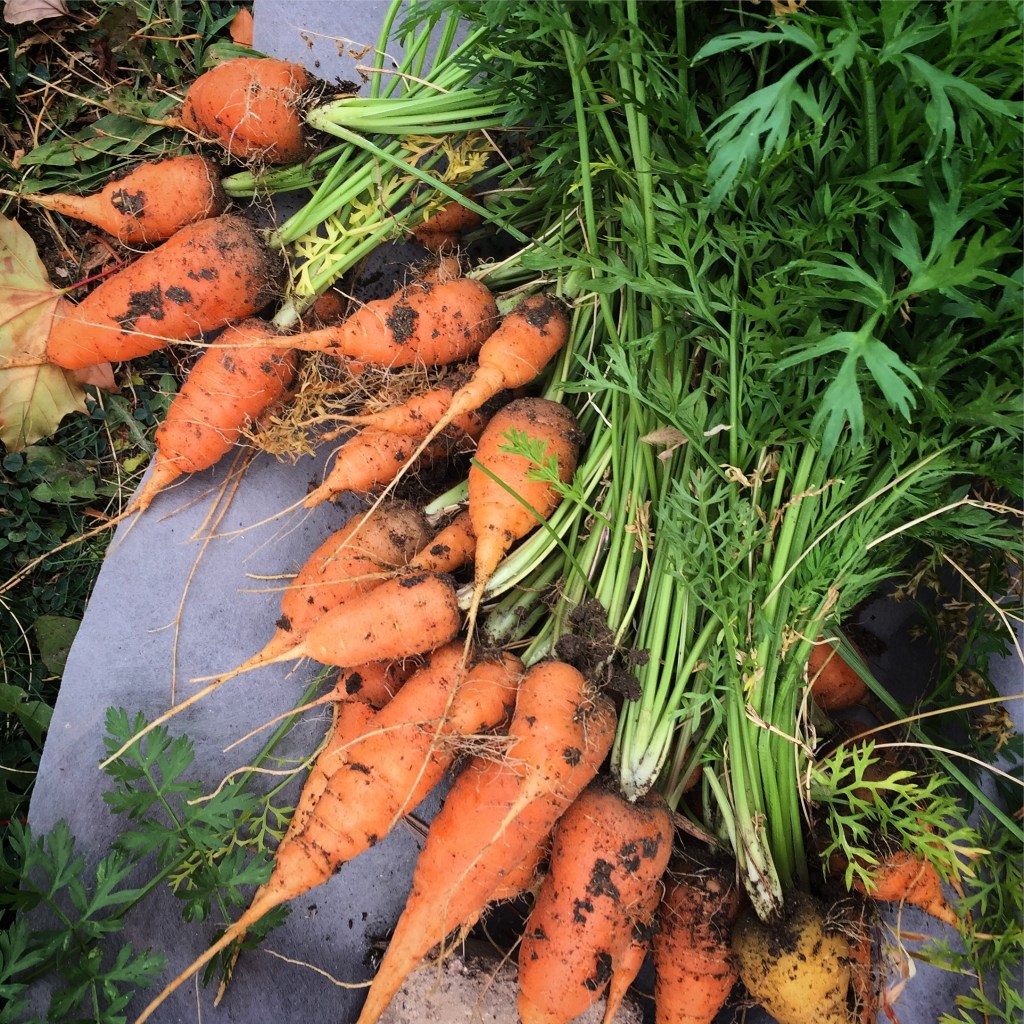
- Root crops: Carrots, beets, radishes, and turnips grow well in cool soils and don’t mind cold nights.
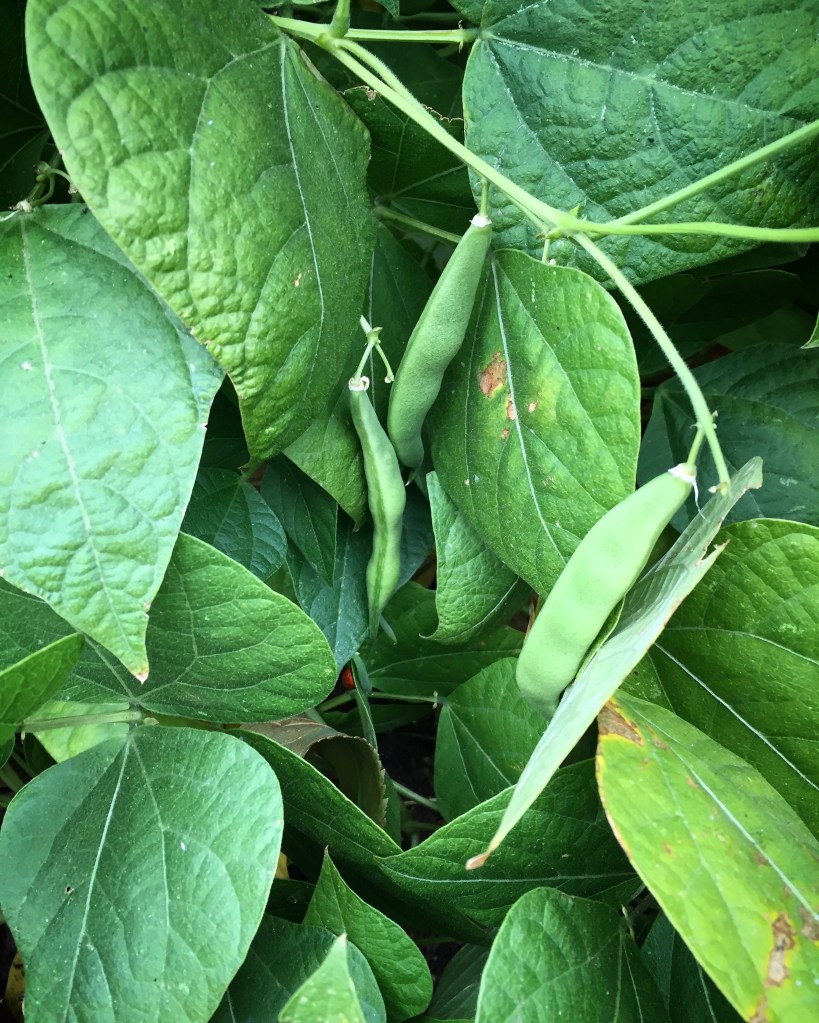
- Peas and bush beans: Quick to mature and tolerate cooler conditions.
- Cabbage family: Broccoli, cauliflower, Brussels sprouts, and cabbage are ideal for mountain gardens.
Warm-season crops (with care):
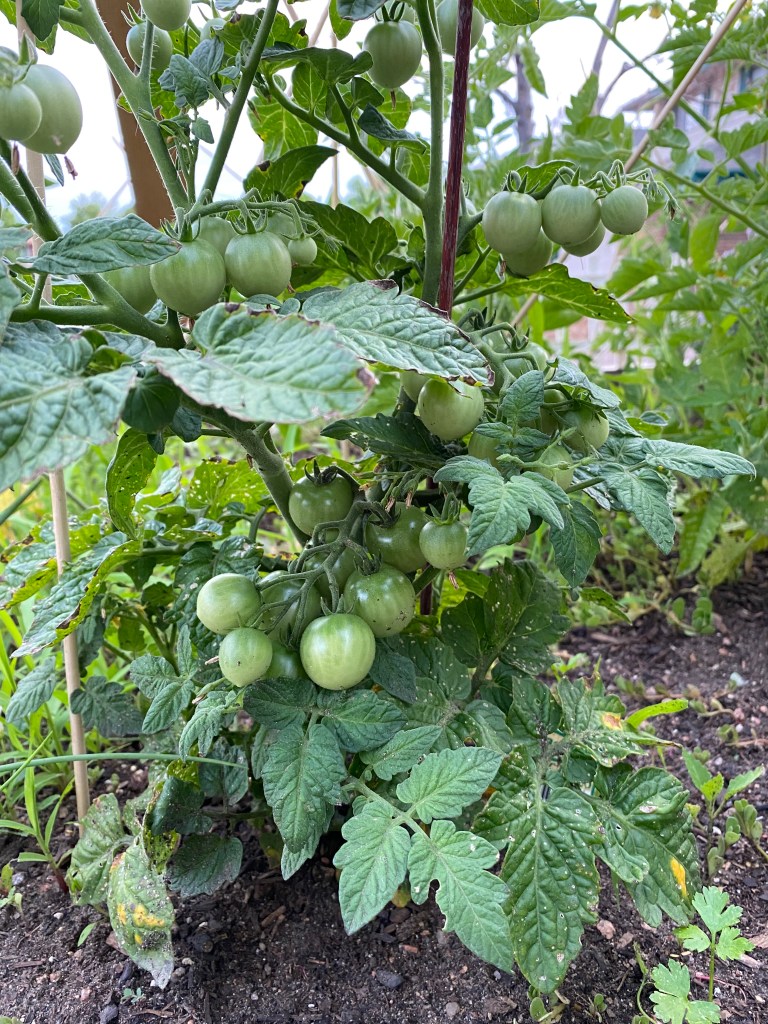
- Tomatoes: Choose short-season determinate types like ‘Early Girl’ or ‘Stupice.’ Use row covers or small hoop houses to trap heat.
- Zucchini and summer squash: These can do well if planted after the last frost and protected early on.
- Potatoes: A staple in the Rockies, they’re tolerant of cool soil and can be grown in mounds or containers.
- Corn: Opt for short-season sweet corn varieties like ‘Sugar Buns’ or ‘Early Sunglow.’
Fruit Growing at Elevation
While growing fruit is trickier at altitude, some hardy varieties can produce reliably if managed correctly.
Top choices:
- Apples: Choose cold-hardy, early-ripening types like ‘Haralson,’ ‘Honeycrisp,’ or ‘Wealthy.’
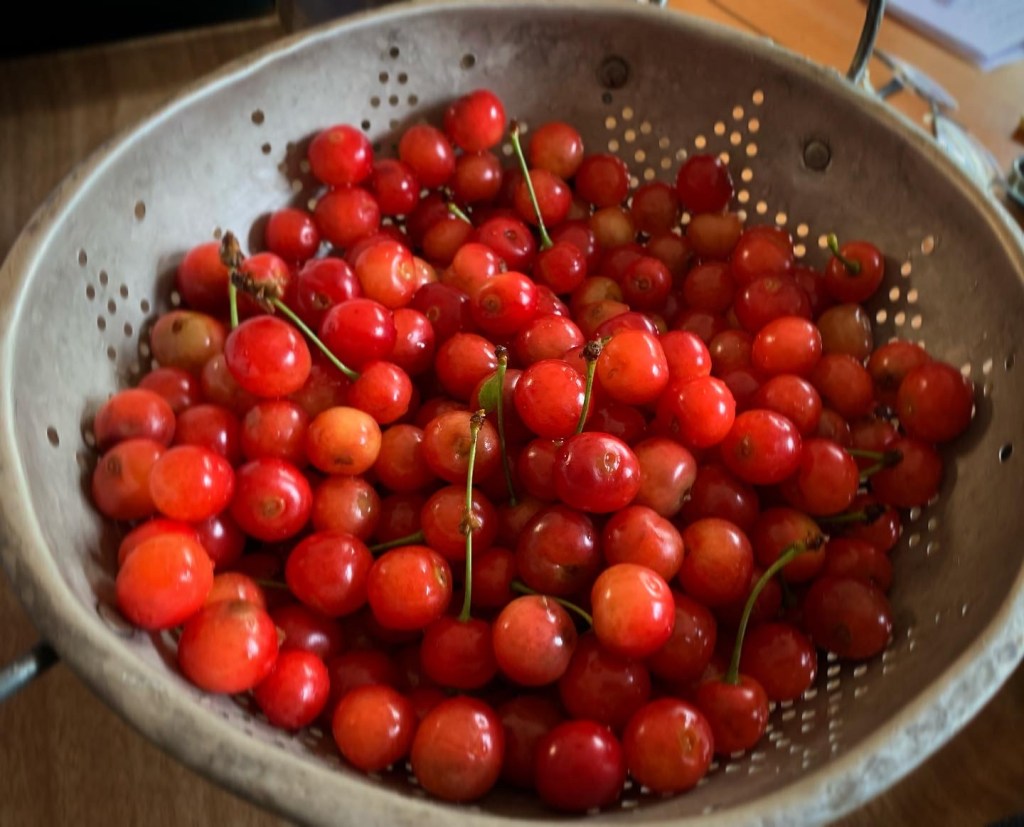
- Cherries: Tart varieties such as ‘Montmorency’ or ‘North Star’ are more likely to succeed than sweet cherries.
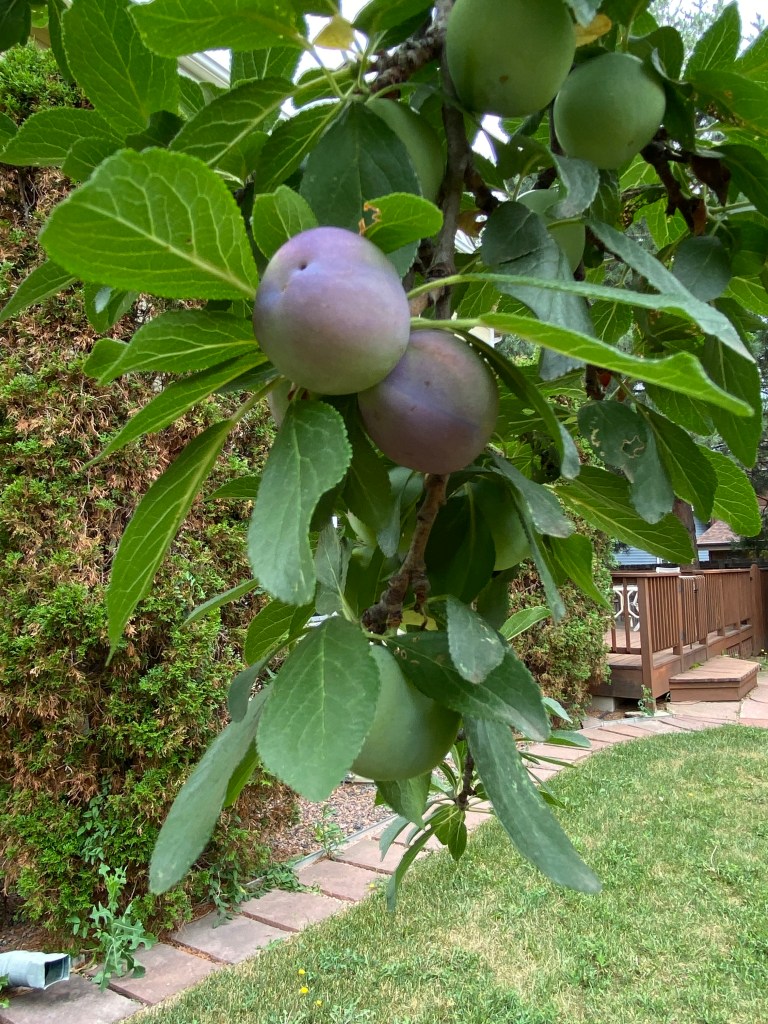
- Plums: ‘Mount Royal’ and ‘Toka’ are hardy, flavorful options.
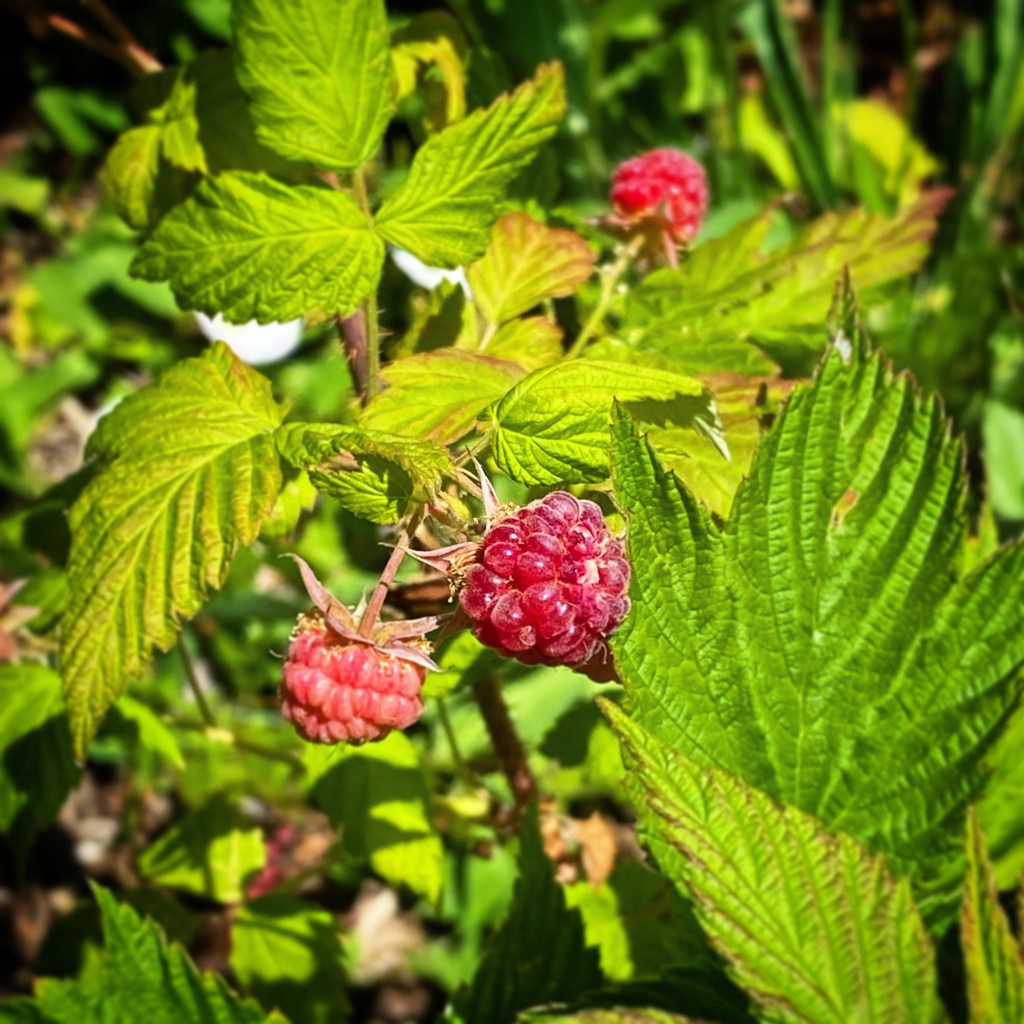
- Berries: Raspberries, strawberries, currants, and gooseberries all perform well with adequate water and sun.
Pro tip: Frost timing can vary significantly by microclimate. A fruit tree may thrive on a hillside but fail in a nearby low-lying area due to late spring frosts. Consider planting on a slight slope or raised area to avoid cold air pockets.
Extending the Season
To make the most of a short growing window:
- Start seeds indoors: Get a jump start by growing seedlings under lights 6–8 weeks before your last frost.
- Use cold frames and row covers: These can extend your season by several weeks on both ends.
- Greenhouses and hoop houses: Even a small unheated greenhouse can make a big difference in fruiting success.
Water-Wise Gardening
With limited water availability, conservation is critical. Drip irrigation systems or soaker hoses help deliver water directly to the root zone while minimizing evaporation. Mulching around plants with straw, wood chips, or grass clippings helps keep soil moisture in and weeds out.
Embracing the Alpine Gardening Spirit
Growing food in the Rockies is more than just a hobby—it’s a blend of homesteading, environmental stewardship, and resilience. Mountain gardeners must observe the land closely, adapt quickly, and work with nature instead of against it. But the reward? Crisp peas snapped fresh off the vine, tomatoes ripened in the high-altitude sun, and apples plucked from your own tree.
In a place where conditions change quickly and unpredictably, growing your own food becomes a grounding, satisfying pursuit that connects you to the land in a uniquely powerful way.
 The Rocky Mountain Gardener