


Companion Planting & Biodynamic Gardening
What Is Companion Planting?
Companion planting is the practice of growing certain plants together to boost growth, deter pests, improve flavor, attract beneficial insects, or make the best use of space. Some combinations are based on science; others come from centuries of traditional knowledge.
In the Rocky Mountain region, companion planting can help:
- Reduce pest pressure without chemicals
- Maximize yields in short seasons
- Improve soil structure and fertility
- Shelter tender plants from wind and temperature swings
- Act as a natural weed blocker
Some tips:
- Prioritize soil health. Even the best companions won’t work well in nutrient-poor or compacted soil. Add compost every year.
- Stagger timing. Pair quick crops (like lettuce or radishes) with slower ones (like tomatoes or cabbage) to maximize space.
- Use vertical space. Trellis beans or cucumbers to provide shade and wind protection for heat-sensitive companions.
- Plan for microclimates. South-facing walls can extend the life of heat-loving pairs, while shaded spots are perfect for leafy greens.
- Be flexible. Not every pairing works in every garden. Keep a journal and experiment with what thrives in your exact elevation and soil type.
Classic Companions for High Elevation Gardens

The 3 Sisters: Corn, Beans & Squash
A time-tested Indigenous agricultural practice that brings together corn, beans, and squash in a mutually beneficial arrangement. Corn grows tall and serves as a natural trellis for climbing beans. In return, beans fix nitrogen in the soil, enriching it for all three crops. Squash, with its broad leaves and sprawling vines, shades the ground to conserve moisture, reduce weeds, and deter pests with its prickly stems. Together, these plants create a resilient mini-ecosystem that improves soil fertility, conserves water, and maximizes garden space—all without the need for synthetic inputs. For Zones 3-4 choose short-season corn and bush squash varieties

Tomato, Basil, Parsley & Marigold
Growing tomato, basil, parsley, and marigold together is a smart companion planting strategy that benefits the garden both functionally and aesthetically. Basil and parsley help improve the flavor and growth of tomatoes, while also repelling common pests like aphids and whiteflies. Marigolds are natural pest deterrents too, known for warding off nematodes and attracting pollinators with their vibrant blooms. This combination creates a healthy, balanced mini-ecosystem where each plant supports the others, reducing the need for chemical inputs and enhancing overall garden productivity. Plus, all four plants are useful in the kitchen, making them a practical and beautiful mix for any home garden.
Carrots, Onions & Lettuce
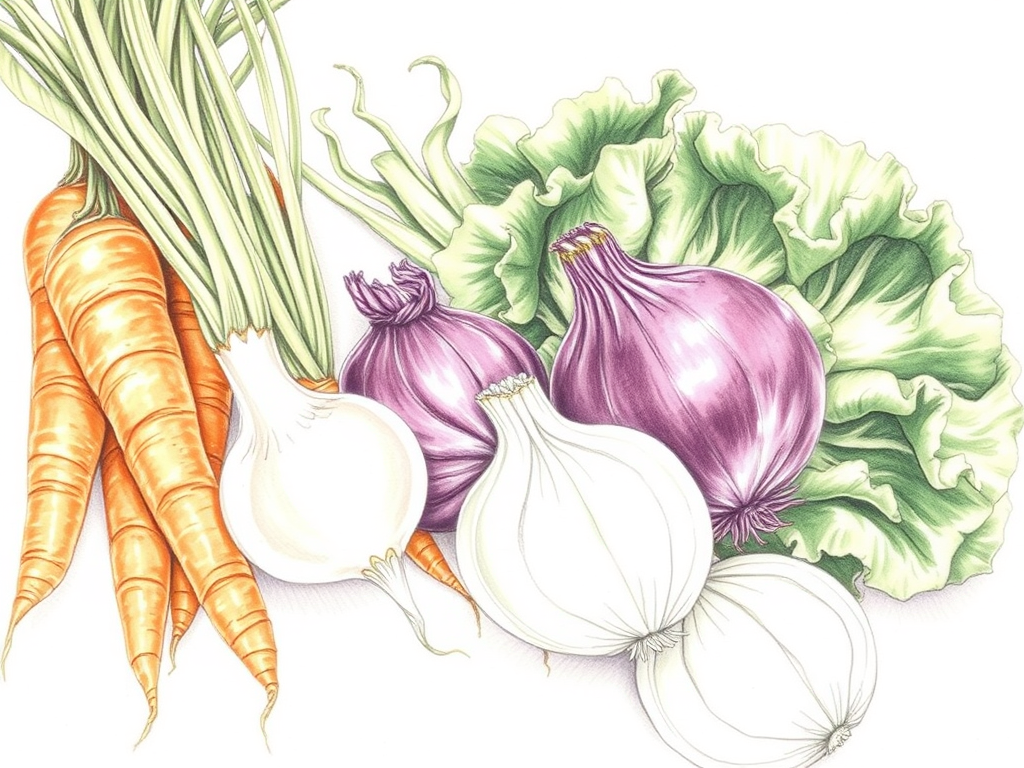
Growing carrots, onions, and lettuce together maximizes space and promotes a healthy, productive garden. Carrots and onions have different root depths, so they don’t compete for underground space—carrots grow deep taproots, while onions stay shallow. Onions also help deter pests like carrot flies and aphids with their strong scent. Lettuce, with its quick growth and shallow roots, fits well in the spaces between slower-growing carrots and onions, acting as a living mulch to suppress weeds and retain soil moisture, and carrots enjoy the shade cast by fast-growing lettuce. Together, these three crops create a harmonious and efficient planting trio ideal for small or raised bed gardens. All three grow well in cooler spring and fall weather.
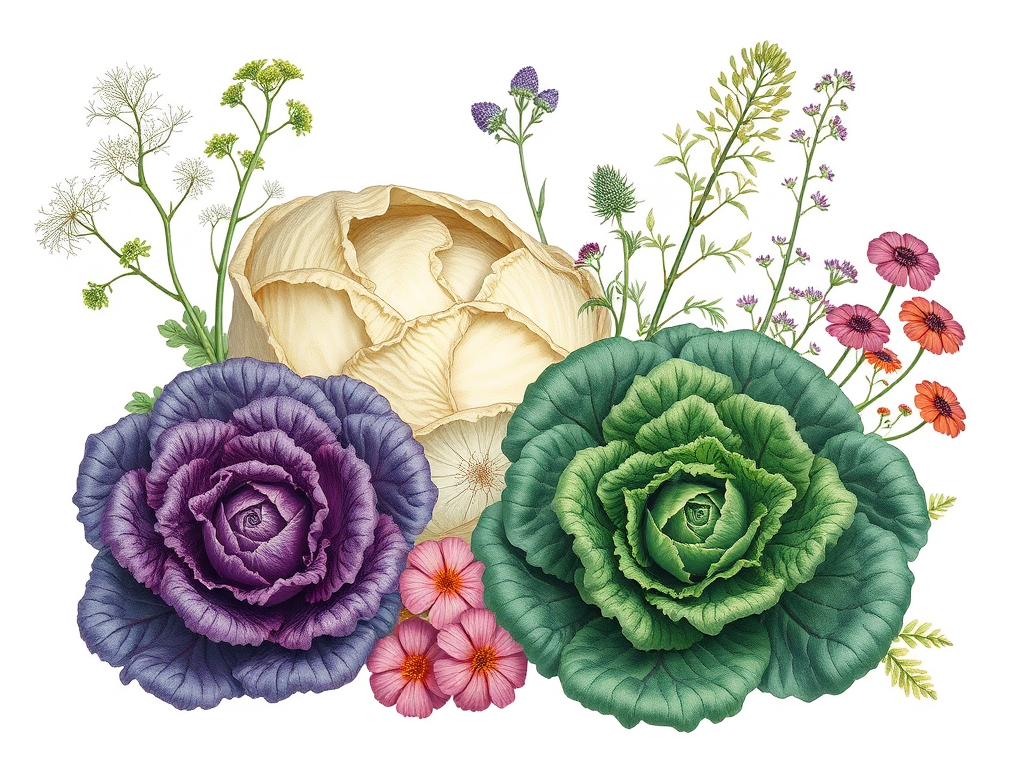
Brassicas, Dill & Nasturtiums
Growing brassicas (like kale, cabbage, and broccoli) alongside dill and nasturtiums creates a dynamic and protective garden alliance. Brassicas are prone to pests such as cabbage worms, aphids, and flea beetles, but dill acts as a powerful ally by attracting beneficial insects like parasitic wasps and hoverflies that prey on these pests. Nasturtiums serve as a sacrificial or “trap” crop, luring aphids and caterpillars away from the brassicas while also deterring whiteflies with their pungent scent. Their sprawling growth also helps shade the soil, retain moisture, and reduce weed pressure around the base of larger brassica plants. This trio balances pest control, biodiversity, and soil coverage, all while adding beauty and ecological resilience to the garden. These thrive in cooler temps and are perfect for higher elevation summers (zones 3-4) and mid-elevation spring and fall.
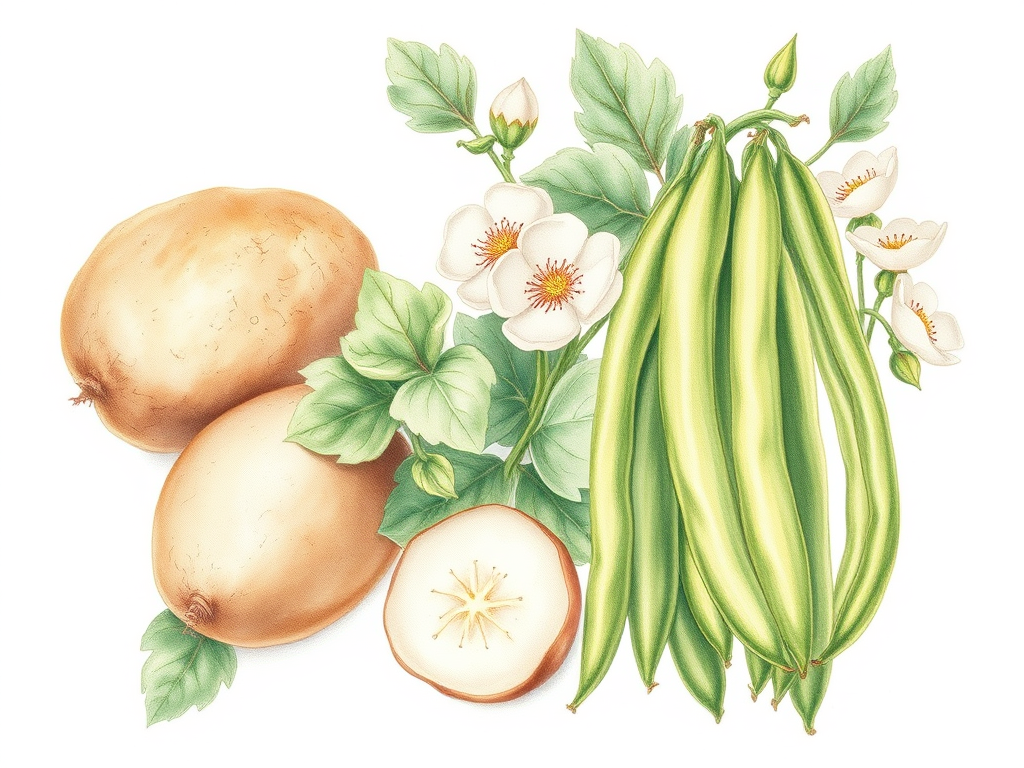
Potatoes, Horseradish & Beans
Growing potatoes, horseradish, and beans together creates a highly effective companion planting system that maximizes space, deters pests, and enhances soil health. Potatoes benefit from the pungent roots of horseradish, which naturally repel common potato pests like Colorado potato beetles and aphids, reducing the need for chemical interventions. Meanwhile, beans contribute by fixing atmospheric nitrogen into the soil through their root nodules, enriching the soil for the heavy-feeding potatoes and promoting robust growth. The vertical growth habit of pole beans can also make efficient use of garden space when trained properly, providing light shade that helps retain moisture in the soil, which all three crops appreciate. Together, this trio forms a mutually supportive relationship that fosters a healthier, more sustainable garden ecosystem while producing a diverse and nutritious harvest.

Pollinator Partners: Calendula, Borage & Herbs
Companion planting with pollinator-friendly plants like calendula, borage, and fragrant herbs offers more than just a colorful corner in the garden—it builds a living network of support that boosts plant health, deters pests, and draws in an army of helpful insects. Calendula, with its bright, cheerful blooms, acts like a beacon for pollinators and predatory insects alike, luring in bees and hoverflies while also helping to distract pests from more vulnerable crops. Borage brings a different kind of magic: its deep blue flowers are nectar-rich and beloved by bees of all kinds, while its tendency to self-sow means it keeps coming back, offering long-term benefits with minimal effort. Then come the herbs—think thyme, basil, dill, mint—each sending up small, nectar-packed flowers and aromatic oils that confuse pests while feeding pollinators through different stages of the season. Planted together, these species don’t just coexist—they enhance each other’s strengths. The result is a garden that hums with life, stays naturally balanced, and supports everything from tomatoes to squash without heavy-handed intervention. It’s a subtle, elegant kind of design—rooted in observation, aligned with nature, and full of practical beauty.
Plants That Don’t Grow Well Together
Poor Companion Plant Pairings: What Not to Plant Together
| Plant | Bad Companion(s) | Why They’re Incompatible | Expert Insight / Notes |
|---|---|---|---|
| Tomatoes | Corn, Potatoes, Fennel | Competes for nutrients with corn; shares blight and pest issues with potatoes; fennel inhibits tomato growth (allelopathic). | Keep tomatoes and potatoes far apart to limit risk of late blight spread. |
| Carrots | Dill, Parsnips | Dill may stunt carrot growth and attract carrot flies; parsnips are in the same family and attract similar pests, increasing infestation risks. | Rotate carrot-family crops annually to reduce pest cycles. |
| Beans (Pole/Runner) | Onions, Garlic, Leeks | Alliums exude compounds from their roots that can inhibit the nitrogen-fixing bacteria beans rely on. | Avoid interplanting legumes with any allium family members. |
| Cabbage (and Brassicas) | Strawberries, Tomatoes, Grapes | Brassicas can stunt strawberry growth; tomatoes and grapes compete heavily for space and nutrients and attract overlapping fungal diseases. | Brassicas prefer cooler soil and can suffer when crowded by sprawling fruiting plants. |
| Potatoes | Sunflowers, Cucumbers, Tomatoes | Compete for root space and water; all are vulnerable to similar fungal diseases like blight and wilt. | Sunflowers also release allelopathic chemicals harmful to tubers. |
| Lettuce | Broccoli, Cabbage | Brassicas can release substances into the soil that slow lettuce growth; also shade lettuce excessively, causing bolting. | Lettuce thrives with lighter feeders and lower-growing companions. |
| Fennel | Nearly everything | Strongly allelopathic—suppresses growth of many nearby plants by releasing biochemicals through roots and decaying matter. | Best grown in a separate bed or container to avoid harming neighbors. |
| Peppers | Fennel, Kohlrabi | Fennel again inhibits growth; kohlrabi competes aggressively for root space and nutrients. | Peppers prefer stable, warm conditions—avoid root competition that stresses them. |
| Cucumbers | Sage, Potatoes | Sage can stunt cucumber growth due to incompatible chemical profiles; potatoes compete for root space and moisture, increasing disease risks. | Opt for dill or nasturtiums instead to repel cucumber beetles. |
| Onions | Beans, Peas | As with other legumes, onions can hinder nitrogen fixation, and the intense root competition stresses both crops. | Onions do better with carrots, lettuce, or beets. |
| Spinach | Potatoes | Potatoes are heavy feeders and can easily outcompete shallow-rooted spinach for nutrients and water. | Spinach is a good early-season crop—harvest before potatoes need full space. |
| Melons | Potatoes, Cucumbers | Vining melons can get tangled with cucumbers, increasing pest and disease spread; potatoes compete underground and attract blight. | Melons need wide spacing and airflow—avoid crowded, disease-prone companions. |
| Basil | Rue | Rue is mildly allelopathic and can stunt basil’s growth; the two also prefer different moisture and soil conditions. | Basil thrives with tomatoes but steer clear of aromatic herbs that suppress growth. |
Key Terms:
- Allelopathy: Chemical inhibition of one plant by another through substances released into the soil.
- Nutrient Competition: When plants with similar needs compete for water, nitrogen, or other key nutrients.
- Pest Overlap: Plants that attract the same pests increase vulnerability to infestation.
- Growth Habit Interference: Climbing, sprawling, or aggressive root systems can crowd or shade slower or more delicate plants.
 The Rocky Mountain Gardener