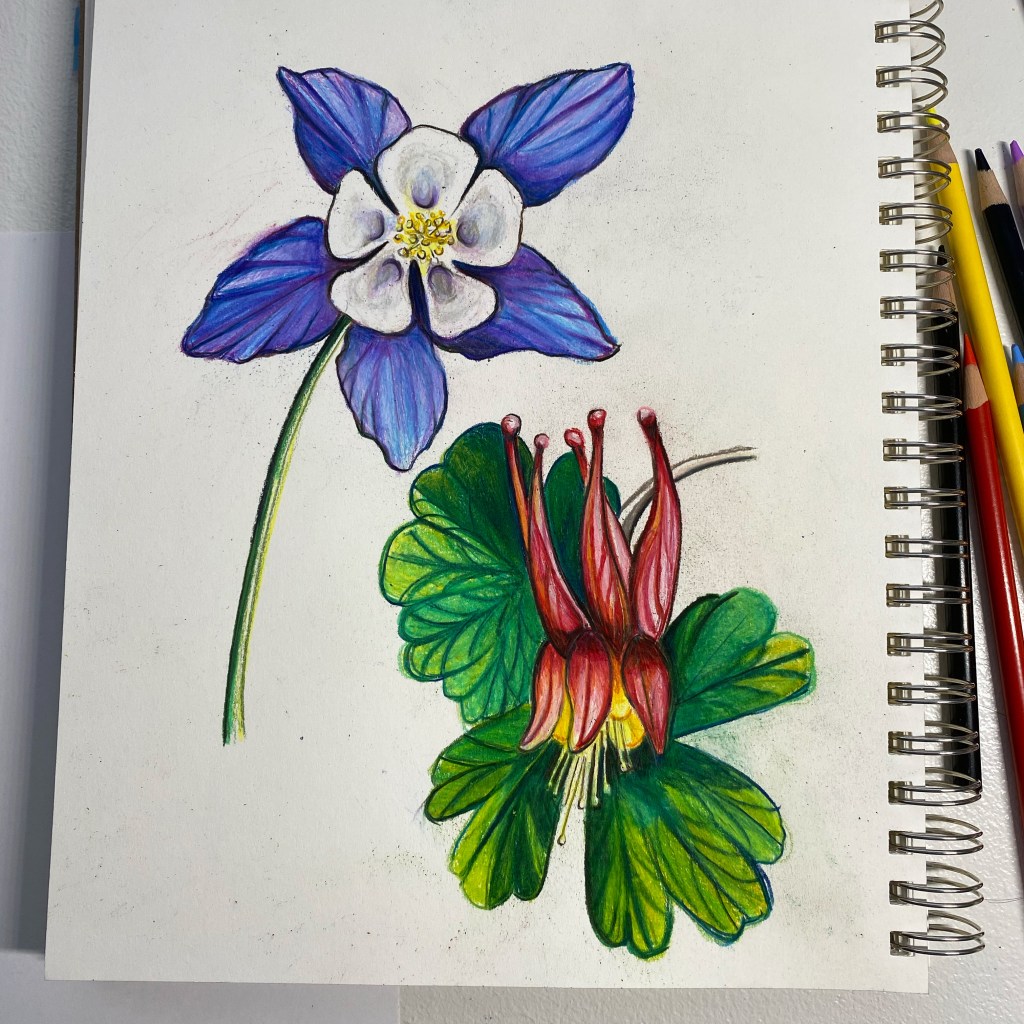
INTRODUCTION
Botanical art was historically the only way humans could keep track of the plants around them. Intricate drawings accompanied by written plant behaviors were imperative to the understanding of any given plant’s benefits or for that matter, toxicity. Many of botanical drawings also depict a plant’s interaction with other living organisms, like the example below, an image of Italian jasmine shrub with a drawing of a swallowtail butterfly hovering overhead.

The accumulation of garden lore and scientific knowledge would not have been possible without botanical art. It could even be said that much of our modern medical knowledge depended on the documented study of plants and their chemical compositions. Today, botanical technical drawing and artistry may be viewed by some as superfluous, but artists and enthusiasts alike will argue that botanical art inspires us to delve more into the soul of a plant, inviting us to appreciate and truly value the practical and aesthetic contributions of the natural world.
Alongside the spontaneity of plant-life in its natural environment, we are able to domesticate and grow plants for purpose, for function. Documentation of agricultural practices over a millennia is invaluable and will serve as a lighthouse as societies navigate new sustainable farming practices for self-efficiency in a changing climate and an increasingly globalized economy. Globalization has had its place since the industrial revolution, but the environmental and human cost of industrialized agriculture is regrettable.
 The Rocky Mountain Gardener
Leave a comment